Have questions? +1 721 544 1884

Rainy Season Driving in St. Maarten Made Easier

Rainy Season Driving in St. Maarten Made Easier

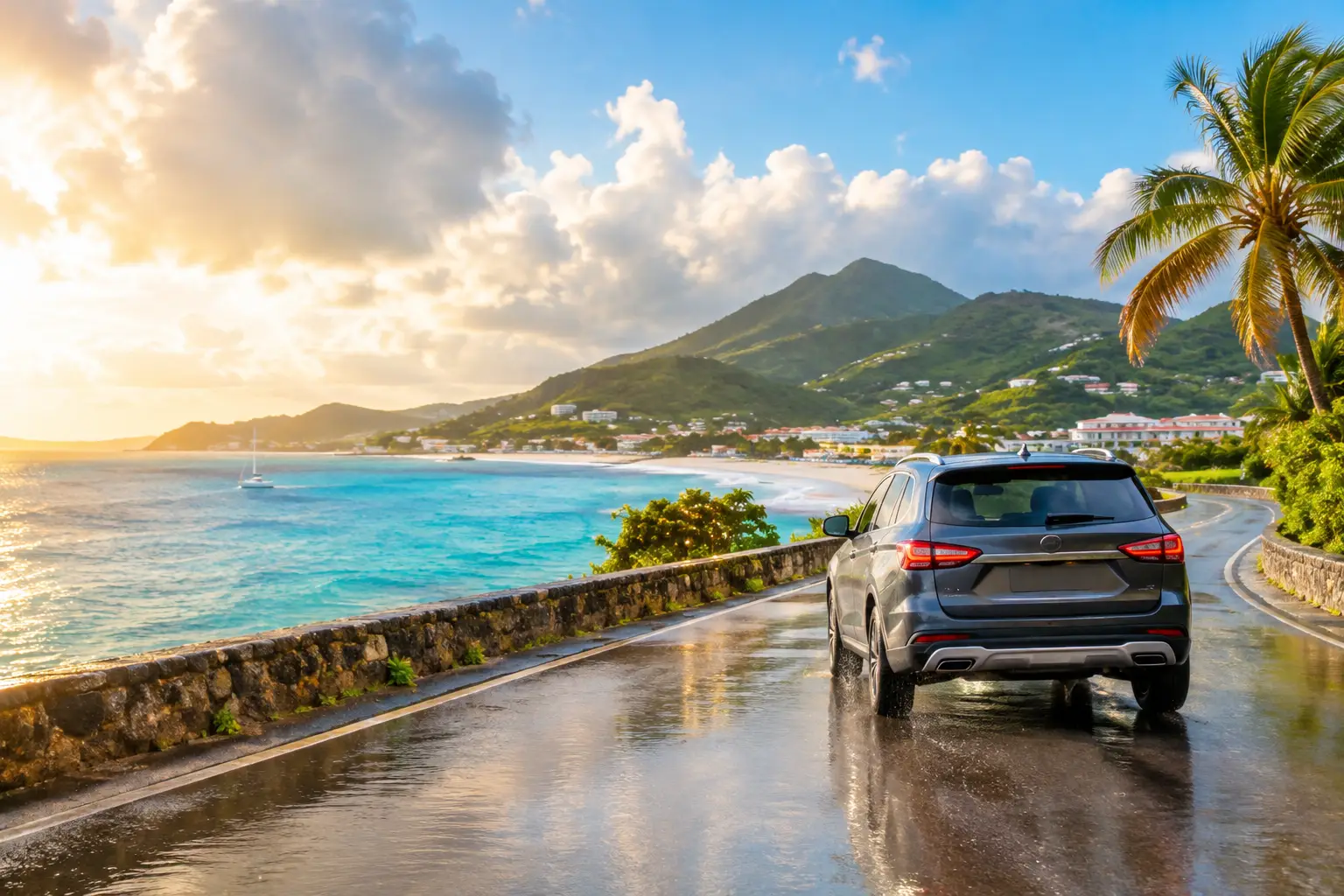
A sunny beach morning can turn into a heavy tropical shower by lunch, particularly during the wetter months. Rainy season driving in St. Maarten is usually very manageable, but it asks for a little more patience than a dry-day drive to the beach. The reward is still the same: the freedom to explore at your own pace, wait out a passing shower in a café, and continue when the roads are clear again.

The island is compact, but its roads can change quickly with the weather. Short, intense rain can reduce visibility, make paved surfaces slick, and leave standing water in low-lying areas. A few simple habits will help you stay comfortable and confident behind the wheel.

What travelers usually worry about

Most visitors are not concerned about driving in light rain. The questions tend to come up when a tropical downpour begins: Are the roads safe? Will the drive from the airport take longer? Is an SUV necessary? Should plans be canceled?

The practical answer is that it depends on the intensity of the rain and where you are headed. Many showers pass relatively quickly. If visibility is good and water is not collecting on the road, slowing down and leaving extra space is often all that is needed. During heavier rain, the smart choice may be to pull into a safe parking area, have a drink or meal, and let the worst of it pass.

Do not assume that a small island means every route is easy in every condition. Some roads are narrow, some have hills and curves, and busy areas around Simpson Bay, Cole Bay, Philipsburg, and Maho can feel more crowded when everyone is driving carefully at once. Build flexibility into your day rather than trying to keep a tight schedule.

Before you leave, check the simple things

A two-minute check before setting off can prevent a frustrating drive. Make sure you know how the windshield wipers, headlights, air conditioning, and defogging controls work in your rental car. Humidity can fog the windshield quickly, especially after a rainy stop or when several passengers are in the vehicle.

Set your route before you begin driving, preferably while parked with a reliable signal. Trying to follow directions through an unfamiliar roundabout or turn while rain is coming down hard creates unnecessary stress. If you are traveling to a beach, restaurant, or hotel in a less familiar part of the island, allow extra time.

It is also worth keeping a small towel or microfiber cloth in the car for wet sandals, umbrellas, or a damp seat. This is not a safety essential, but it makes a rainy beach day far more pleasant.

Good to know before you book

When choosing a rental vehicle, focus first on the size of your group, luggage, and planned routes. A compact or economy car can be a sensible choice for couples who expect to stay mainly on paved roads and prefer easy parking. It is not automatically a poor choice because rain is in the forecast.

An SUV or Jeep can offer more ground clearance and room for families, beach gear, or travelers staying in hilly areas. That can feel reassuring during wet weather, but it does not make it safe to drive quickly through standing water. Larger vehicles also require more care in tight parking areas and narrow roads.

Ask about the vehicle condition, windshield wipers, tire condition, roadside support procedures, and what to do if weather affects your travel plans. Clear rental terms and honest pricing matter at any time, and they are especially reassuring when the forecast is unsettled. H & L Car Rental can help travelers choose a vehicle category that fits the trip rather than simply choosing the largest option.

How to drive safely during a heavy shower

Rain changes the road surface before it changes the scenery. After a dry spell, the first rain can mix with dust and oil on pavement, making the surface unexpectedly slippery. Reduce speed early, before entering a curve or approaching traffic, and avoid sharp steering movements.

Leave more following distance than you would on a dry day. Stopping takes longer on wet roads, and drivers ahead may brake suddenly for puddles, pedestrians, or slowed traffic. Brake gently and in a straight line whenever possible. If you miss a turn, keep going and find a safe place to turn around instead of making a last-second maneuver.

Use headlights when rain affects visibility, even during daylight. They help other drivers see you, and they can make it easier to spot road edges, puddles, and changing traffic conditions. Keep both hands available for the wheel instead of holding an umbrella, phone, or loose beach items.

If rain is beating so hard that you cannot clearly see the vehicle ahead or the road markings, do not try to push through simply because your destination is nearby. Pull over only in a safe, legal location away from moving traffic. Avoid stopping on a blind curve, a narrow roadside, or an area where water may rise.

Standing water is not a shortcut

The most avoidable rainy-day mistake is driving through water without knowing how deep it is. A puddle that looks shallow can hide a pothole, debris, or a softened road edge. Water can also affect braking and vehicle components if it is deeper than expected.

Avoid flooded sections whenever there is another route or a safe place to wait. Do not follow the vehicle in front just because it made it through. Different vehicles have different clearance, and conditions can change within minutes. If a road looks questionable, turn around rather than testing it.

This is especially relevant around low-lying roads and drainage areas. Local drivers may know which spots collect water, but visitors should never feel pressured to copy another driver's decision. Caution is the better vacation strategy.

Parking and walking in wet weather

Rain often makes parking take a little longer in popular areas. Give yourself room to open doors without stepping into traffic, and avoid parking where runoff could flow around the vehicle. If you are parking on a slope, take extra care when getting in and out because painted lines, tiles, and wet pavement can be slippery.

At beaches and scenic stops, secure loose items before you leave the car. Wind can arrive with a shower, and wet sand quickly finds its way onto floors and seats. Keep valuables out of sight and lock the vehicle as you normally would. Rain does not remove the need for basic travel awareness.

For dinner plans or shopping in Philipsburg, consider arriving a little earlier than usual when the forecast looks unsettled. You will have more time to find a suitable space and can enjoy the stop instead of circling in rain.

Best for first-time visitors

First-time drivers in St. Maarten and St. Martin should keep rainy-day plans simple. Choose one main area to explore rather than attempting a full-island schedule with several timed reservations. For example, pair a beach near your accommodation with a nearby lunch spot, then decide on the next stop once the weather settles.

Remember that traffic moves on the right, but road layouts, roundabouts, parked cars, pedestrians, and scooters may be different from what you are used to at home. Drive defensively and expect the unexpected, particularly when rain reduces sight lines.

A calm approach works better than trying to make up lost time. The island has plenty of places to pause: covered restaurants, markets, hotel lobbies, and scenic viewpoints when conditions permit. A shower can be an interruption, but it does not need to take over the day.

Local tip: Let the forecast shape the order of your day

Plan outdoor stops and longer drives earlier when the morning looks clearer, then keep indoor activities, lunch, or shopping flexible for later. Weather can vary across the island, so a shower near your hotel does not always mean every beach or neighborhood is rainy. Still, avoid chasing sunshine if it means rushing across the island in poor conditions.

When you return to your accommodation after a wet drive, take a moment to remove wet gear and check that lights and windows are off before locking the car. It is a small routine that keeps the next morning easy.

A little rain is part of the Caribbean experience. Give yourself extra time, choose a vehicle that suits your actual plans, and let safety set the pace. The beach, the next viewpoint, and your dinner reservation will be much more enjoyable when you arrive relaxed.
How to Handle Island Breakdowns While Driving

How to Handle Island Breakdowns While Driving

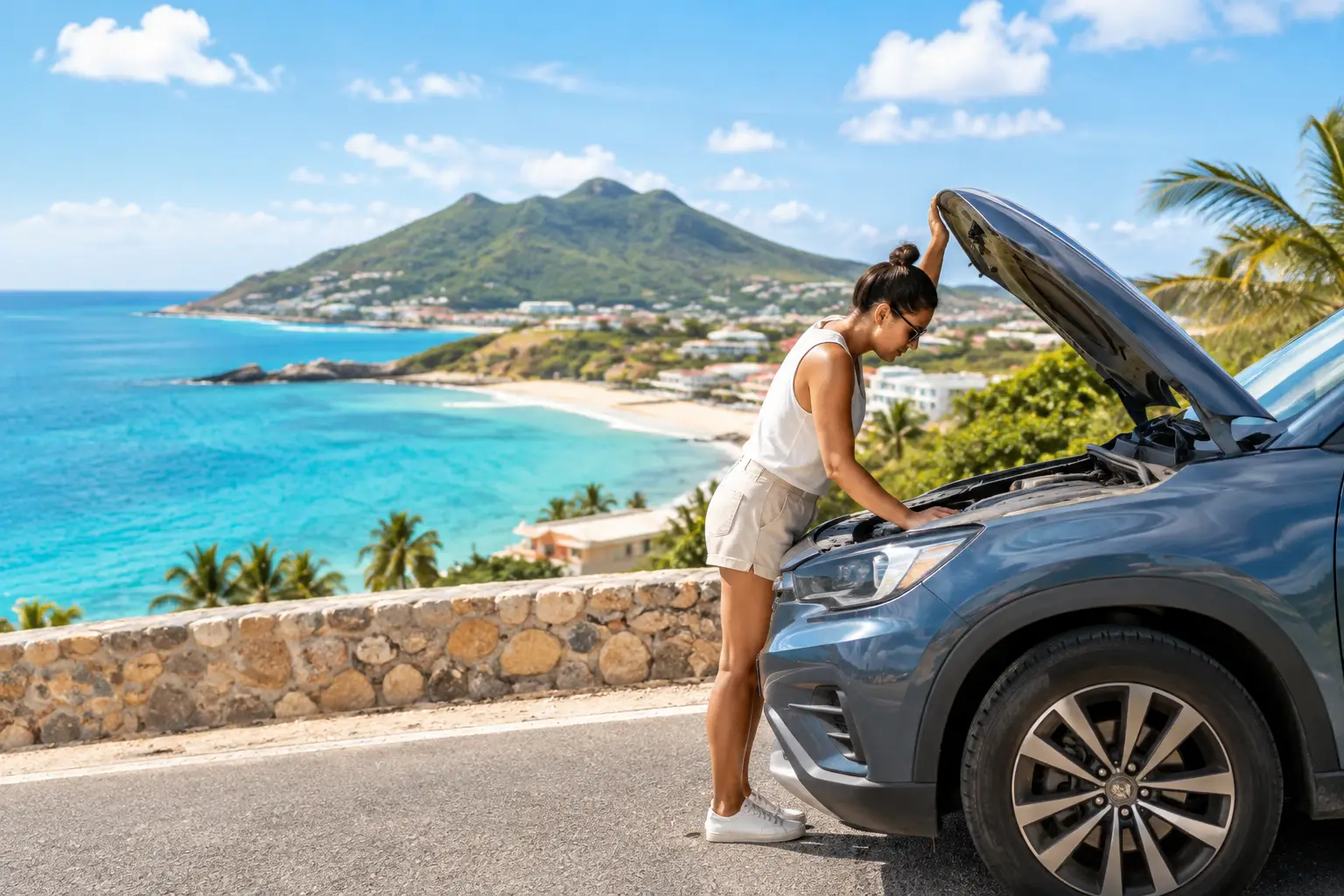
A flat tire on the way to a beach, a warning light near a hillside turn, or an engine that will not restart after lunch can feel much bigger when you are away from home. Knowing how to handle island breakdowns before you set out gives you a simple plan: protect everyone in the vehicle, contact the right people, and let your rental provider guide the next step.

Breakdowns are not the usual part of a St. Maarten or St. Martin vacation, but they can happen anywhere. The island's warm weather, steep sections of road, narrow streets, and busy beach-area traffic make calm decisions especially valuable. Most situations are manageable when you avoid rushing, stay with the vehicle when it is safe to do so, and report the issue promptly.

What travelers usually worry about

Visitors often wonder whether they will be stranded somewhere unfamiliar, whether they can cross from one side of the island to the other, or whether a minor dashboard light means the trip is over. In practice, the first concern should always be location and safety, not diagnosing the vehicle.

If the car is moving but feels unusual, such as a tire losing air, steering pulling strongly, the temperature gauge climbing, or a burning smell, reduce speed gradually. Do not brake sharply or try to continue until you reach your planned destination. Find the nearest safe place to stop, preferably a parking area, gas station, marked pull-off, or wide section away from traffic.

Some island roads have limited shoulders. If there is no safe place immediately available, keep your hazard lights on, drive slowly only as far as necessary to reach a safer stopping point, and avoid stopping around blind curves or on steep, narrow hills. Your safety matters more than protecting the day’s schedule.

What to do when your rental car breaks down

Once stopped safely, put the vehicle in park, set the parking brake, and turn on the hazard lights. If you are on a busy road, have children with you, or cannot exit safely, remain inside with seat belts fastened while you arrange help. Do not stand near moving traffic to inspect the car.

Take a moment to note your location. A hotel name, beach entrance, restaurant, gas station, landmark, or a map pin can help your rental company find you quickly. If your phone signal is weak, ask a nearby business for assistance only after you are in a safe position. Island communities are generally helpful, but your rental provider should remain your main point of contact for the vehicle.

Call the number provided in your rental paperwork and explain what happened in plain terms. Share the vehicle type or plate number, your location, whether the car is safely parked, and any warning lights or sounds you noticed. Follow their instructions about roadside assistance, a replacement vehicle, towing, or returning to a nearby office.

Do not attempt roadside repairs unless your rental company specifically asks you to and you feel comfortable doing so. This is particularly true for tires, batteries, overheating, or anything under the hood. An improvised repair can create further damage or put you at risk.

If the vehicle overheats

An overheating warning needs quick attention. Pull over safely, turn off the engine, and do not open the radiator cap. Hot coolant and steam can cause serious burns. Let the vehicle cool and contact the rental provider for instructions. Adding water or coolant without guidance is not a good vacation fix.

If you have a flat tire

A flat tire may be noticeable through a thumping sound, a vibrating steering wheel, or a vehicle that pulls to one side. Slow down smoothly, stop somewhere level if possible, and call for assistance. Driving on a flat tire, even for a short distance, can damage the wheel and make a simple problem more complicated.

If the car will not start

First, make sure the vehicle is fully in park and check that you have not left lights or accessories on. If it still will not start, avoid repeated attempts that may drain the battery. Contact your rental company with your location and let them advise on the next step.

Good to know before you book

The easiest way to handle a breakdown is to know your rental company’s support process before it is needed. When picking up a car, save the assistance number in your phone and keep the rental agreement somewhere easy to reach. Ask what to do after hours, what information the team will need, and whether a replacement vehicle can be arranged if the issue cannot be resolved on site.

It is also smart to look over the vehicle before leaving the pickup location. Check that you know how to use the hazard lights, headlights, air conditioning, and windshield wipers. Confirm the fuel type, identify where the rental documents are stored, and take a few photos of the car’s existing condition. This is not about expecting trouble. It is about starting your trip with clarity.

At H & L Car Rental, dependable vehicles and clear support information help visitors feel prepared from the moment they leave the airport. A quick question at pickup can save uncertainty later, especially for first-time island drivers.

The difference between a breakdown and an accident

A mechanical issue and a collision should be handled differently. If another vehicle, a parked car, a pedestrian, or property is involved, first make sure everyone is safe. Contact local emergency services if anyone is injured or there is an immediate hazard. Then notify your rental company as soon as possible and follow its accident-reporting instructions.

Do not admit fault, make private payment arrangements, or leave before you have received appropriate guidance. Take clear photos of the scene, the vehicles, plates, and visible damage when it is safe to do so. Exchange necessary information with the other party, but keep the conversation calm and factual.

For a breakdown with no collision, you generally do not need to involve other drivers. Your focus is safely parking the car and arranging assistance.

Local tip: plan for where you are driving

On a small island, travel distances can look short on a map but take longer than expected. Traffic around Simpson Bay, Maho, Philipsburg, and popular beach areas may be busy at certain times, while hillside and coastal roads can require slower, more attentive driving. Keep your phone charged, carry water, and avoid letting the fuel level get too low when exploring farther from your hotel.

If your car develops a concern near a beach or attraction, do not leave it in a way that blocks traffic, a driveway, or another vehicle. Move only if it is safe and the vehicle is still operating normally. A secure, visible parking area is usually better than a narrow roadside space.

The Dutch and French sides are easy to explore by car, but rental support procedures still apply wherever you are on the island. Tell the rental team which side you are on and provide a recognizable landmark. That detail can make coordinating help much faster.

What not to do during an island breakdown

The urge to solve the issue quickly is understandable, especially when dinner reservations or a sunset plan are waiting. Still, a few choices tend to make a manageable problem worse. Do not keep driving with a red warning light, do not accept an unapproved tow, and do not leave the rental car unattended without authorization unless safety requires you to move away from it.

Avoid asking a passerby to jump-start, tow, or repair the vehicle before speaking with the rental company. A well-meaning offer may not match the provider’s process or insurance requirements. If you need to leave the immediate area because it is unsafe, let the rental team know where the vehicle is and where you can be reached.

Also, do not let a minor issue turn into a stressful argument among travelers. Assign one person to contact the rental company while another keeps track of the location and any details about the problem. A calm, organized call usually gets help moving sooner.

A simple pre-drive routine for peace of mind

Before heading out for a full day, make sure your phone has battery, your rental documents are in the car, and you have the assistance number saved. Check the fuel level before taking a longer scenic route, particularly if you plan to stay out after dark. If a warning light appears at the start of the day, call before driving farther rather than hoping it disappears.

Most importantly, give yourself extra time. The best island days leave room for a slower road, an unexpected stop, or a brief change of plans. If a breakdown does interrupt your route, the right support and a patient approach can keep it from taking over your vacation.

Driving in St. Maarten for Tourists: Simple Tips Before You Start

Driving in St. Maarten for Tourists: Tips

You notice it fast after landing - the island looks small on a map, but getting around can take longer than first-time visitors expect. That is why driving in St. Maarten for tourists: simple tips before you start is more than a nice idea. It can save you time, lower stress, and make the difference between a relaxed vacation day and one spent waiting on taxis or figuring out unfamiliar roads.

For many travelers, renting a car is the easiest way to enjoy both the Dutch and French sides at your own pace. Beaches, restaurants, scenic lookouts, and shopping areas are spread out, and the freedom to leave when you want matters. The good news is that driving here is very manageable for most visitors once you know what the roads are actually like.

What travelers usually worry about

Most concerns are pretty predictable. People ask if the roads are hard to handle, whether local drivers are aggressive, if parking is a problem, and whether they need a Jeep or SUV just to get around. The honest answer is that St. Maarten is not difficult to drive, but it does reward a little patience and common sense.

Roads range from busy main routes to narrower local streets. You will find traffic near popular areas such as Simpson Bay, Philipsburg, and the airport corridor, especially during busy hours or when a bridge opening slows things down. That can surprise visitors who assume an island drive will always be quick.

Local driving style can feel a bit more assertive than in some parts of the US. Drivers may move decisively, and traffic can bunch up in popular areas. Still, most visitors adjust quickly. If you stay alert, avoid rushing, and leave extra time, the experience is usually straightforward.

Driving in St. Maarten for tourists: what it really feels like

The island is not a place where you need to overthink every turn. In most areas, the roads are easy enough to follow, and major visitor zones are well known. A phone map helps, of course, but the bigger skill here is staying calm in traffic rather than worrying about complicated highways or long-distance driving.

Expect roundabouts, occasional steep roads, and some tighter parking situations near beaches and town centers. A road that looks short on the map may still take time because of congestion, pedestrian activity, or stop-and-go movement near commercial areas. That is normal.

One useful mindset is to treat island driving as slower than your GPS first suggests. If dinner is at 7:00, do not plan to arrive at 6:59. Build in room for traffic and parking, especially if you are heading somewhere popular at sunset or during cruise port hours.

Best for first-time visitors

If this is your first trip, keep your first driving day simple. Pick one or two areas instead of trying to cover the entire island immediately after arrival. Travelers who do best are usually the ones who start with a beach day, an easy lunch stop, and maybe one scenic drive rather than packing in six stops.

It also helps to choose a car you feel comfortable driving at home. Some people book a larger vehicle thinking they need it for island roads, then find parking less convenient. Others choose the smallest car possible and later wish they had a little more room for luggage, beach gear, or family comfort. First-time visitors usually do well with an economy, compact, or midsize vehicle unless their group size or plans call for more space.

A dependable rental process matters too. When your pickup is clear, pricing is transparent, and the vehicle matches what you actually need, the whole trip starts easier. That is one reason many travelers prefer an airport pickup with a local company that understands how visitors move around the island.

Good to know before you book

Bring your valid driver’s license and review rental terms before arrival so there are no surprises. Check what is included in the rate, ask about deposits, and make sure you understand fuel expectations, insurance options, and the pickup process. Clear answers upfront are part of a better rental experience.

Think carefully about your trip style. If you are staying near nightlife, beaches, and dining in busy zones, a smaller car is often easier to park. If you are traveling with family, extra luggage, or beach equipment, more room may be worth the added size. If your group includes several adults, a van or SUV can make the trip far more comfortable.

This is also where honest pricing matters. Nobody wants to land and start vacation with unexpected fees. A company like H & L Car Rental appeals to travelers who want dependable service, convenience near the airport, and straightforward pricing without hidden extras turning a simple booking into a frustrating one.

Do you need an SUV in St. Maarten?

Usually, no. Many visitors assume island travel means rough roads and off-road conditions, but for normal sightseeing, beaches, dining, and shopping, a regular car works perfectly well. Economy cars, compact cars, and midsize sedans handle most visitor routes just fine.

An SUV makes more sense if you want extra passenger room, higher seating, or luggage space. It can also feel more comfortable if you are traveling with children or planning full days with coolers, bags, and gear. But it is not a requirement for seeing the island.

The trade-off is simple. Bigger vehicles offer comfort and cargo space, while smaller cars are easier in tighter parking areas and may feel more practical in busier sections.

Parking and beach stops

Parking is one of those things that depends on where and when you go. In some areas, it is easy. In others, especially busy beach zones, shopping districts, or popular dining spots, spaces fill up quickly. Midday and sunset can be the toughest times in well-known areas.

The best habit is to arrive a little earlier than you think you need to. If you are planning a beach afternoon at a popular spot, getting there before the peak crowd can make parking simpler and the start of your day more relaxed. The same goes for Philipsburg and Simpson Bay.

Do not assume parking will be directly in front of wherever you are headed. Sometimes a short walk is part of the plan. That is usually a small trade-off for the flexibility of having your own car.

Dutch side to French side: easier than many expect

One thing visitors often love is how easy it is to experience both sides of the island in one trip. Driving between the Dutch and French sides is generally straightforward. There is no dramatic transition, but traffic patterns, town layouts, and parking conditions can feel a little different depending on where you go.

That freedom is one of the biggest reasons a rental car is worth it. You are not locked into one hotel area or dependent on taxi fares adding up through the week. You can spend the morning on one side of the island and have dinner somewhere completely different without overcomplicating the day.

Local tip

Plan your longer drives around traffic rather than distance. A route may look short, but local congestion can change the feel of the trip quickly. Morning movement, late afternoon traffic, and busy restaurant hours can all slow things down.

Another smart local habit is to keep your day flexible. Instead of trying to chase a strict schedule, give yourself a loose plan and let the rental car do its job - make the island easier to enjoy. That tends to work better here than trying to force every hour into place.

What to ask before confirming

Before you finalize your booking, ask the questions that affect your arrival day most. Where exactly do you pick up the vehicle? What documents do you need? Is there a hold or deposit? What happens if your flight is delayed? Is the vehicle category right for your group and bags?

These are simple questions, but they matter more than travelers think. The smoothest rentals are usually the ones where expectations are clear before the plane even lands.

Final thought before you get behind the wheel

Driving here is less about skill and more about rhythm. Once you settle into the pace, allow for traffic, and choose a car that fits your trip, the island becomes much easier to enjoy on your terms. A good rental car does not just get you from the airport to the hotel - it gives you the freedom to see more, wait less, and make each day feel like your own.