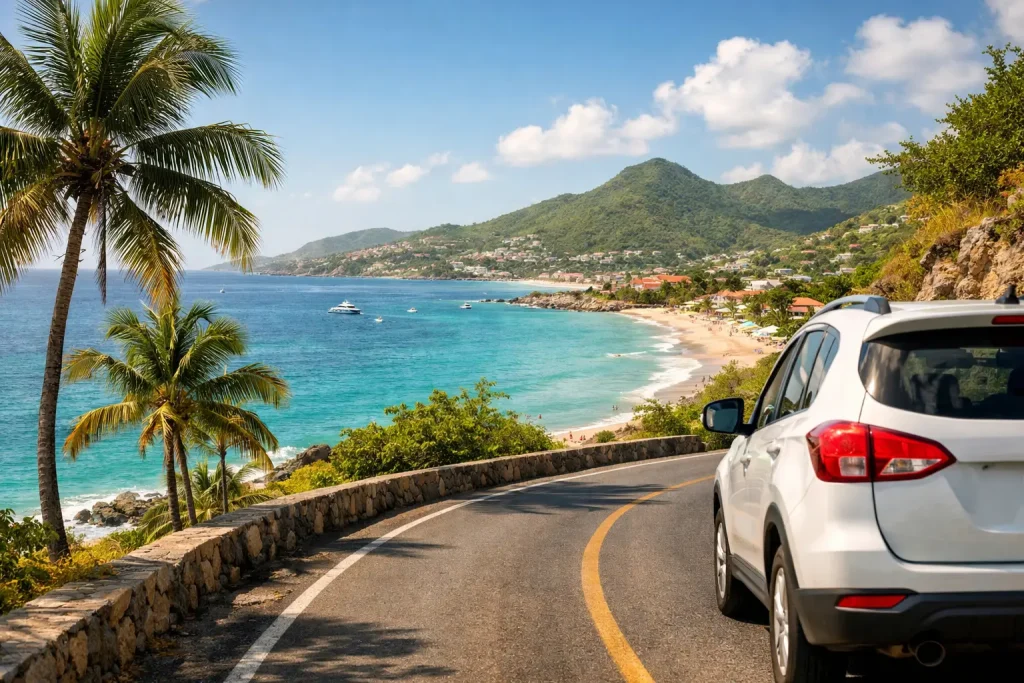
You notice it fast after landing - the island looks small on a map, but getting around can take longer than first-time visitors expect. That is why driving in St. Maarten for tourists: simple tips before you start is more than a nice idea. It can save you time, lower stress, and make the difference between a relaxed vacation day and one spent waiting on taxis or figuring out unfamiliar roads.
For many travelers, renting a car is the easiest way to enjoy both the Dutch and French sides at your own pace. Beaches, restaurants, scenic lookouts, and shopping areas are spread out, and the freedom to leave when you want matters. The good news is that driving here is very manageable for most visitors once you know what the roads are actually like.
What travelers usually worry about
Most concerns are pretty predictable. People ask if the roads are hard to handle, whether local drivers are aggressive, if parking is a problem, and whether they need a Jeep or SUV just to get around. The honest answer is that St. Maarten is not difficult to drive, but it does reward a little patience and common sense.
Roads range from busy main routes to narrower local streets. You will find traffic near popular areas such as Simpson Bay, Philipsburg, and the airport corridor, especially during busy hours or when a bridge opening slows things down. That can surprise visitors who assume an island drive will always be quick.
Local driving style can feel a bit more assertive than in some parts of the US. Drivers may move decisively, and traffic can bunch up in popular areas. Still, most visitors adjust quickly. If you stay alert, avoid rushing, and leave extra time, the experience is usually straightforward.
Driving in St. Maarten for tourists: what it really feels like
The island is not a place where you need to overthink every turn. In most areas, the roads are easy enough to follow, and major visitor zones are well known. A phone map helps, of course, but the bigger skill here is staying calm in traffic rather than worrying about complicated highways or long-distance driving.
Expect roundabouts, occasional steep roads, and some tighter parking situations near beaches and town centers. A road that looks short on the map may still take time because of congestion, pedestrian activity, or stop-and-go movement near commercial areas. That is normal.
One useful mindset is to treat island driving as slower than your GPS first suggests. If dinner is at 7:00, do not plan to arrive at 6:59. Build in room for traffic and parking, especially if you are heading somewhere popular at sunset or during cruise port hours.
Best for first-time visitors
If this is your first trip, keep your first driving day simple. Pick one or two areas instead of trying to cover the entire island immediately after arrival. Travelers who do best are usually the ones who start with a beach day, an easy lunch stop, and maybe one scenic drive rather than packing in six stops.
It also helps to choose a car you feel comfortable driving at home. Some people book a larger vehicle thinking they need it for island roads, then find parking less convenient. Others choose the smallest car possible and later wish they had a little more room for luggage, beach gear, or family comfort. First-time visitors usually do well with an economy, compact, or midsize vehicle unless their group size or plans call for more space.
A dependable rental process matters too. When your pickup is clear, pricing is transparent, and the vehicle matches what you actually need, the whole trip starts easier. That is one reason many travelers prefer an airport pickup with a local company that understands how visitors move around the island.
Good to know before you book
Bring your valid driver’s license and review rental terms before arrival so there are no surprises. Check what is included in the rate, ask about deposits, and make sure you understand fuel expectations, insurance options, and the pickup process. Clear answers upfront are part of a better rental experience.
Think carefully about your trip style. If you are staying near nightlife, beaches, and dining in busy zones, a smaller car is often easier to park. If you are traveling with family, extra luggage, or beach equipment, more room may be worth the added size. If your group includes several adults, a van or SUV can make the trip far more comfortable.
This is also where honest pricing matters. Nobody wants to land and start vacation with unexpected fees. A company like H & L Car Rental appeals to travelers who want dependable service, convenience near the airport, and straightforward pricing without hidden extras turning a simple booking into a frustrating one.
Do you need an SUV in St. Maarten?
Usually, no. Many visitors assume island travel means rough roads and off-road conditions, but for normal sightseeing, beaches, dining, and shopping, a regular car works perfectly well. Economy cars, compact cars, and midsize sedans handle most visitor routes just fine.
An SUV makes more sense if you want extra passenger room, higher seating, or luggage space. It can also feel more comfortable if you are traveling with children or planning full days with coolers, bags, and gear. But it is not a requirement for seeing the island.
The trade-off is simple. Bigger vehicles offer comfort and cargo space, while smaller cars are easier in tighter parking areas and may feel more practical in busier sections.
Parking and beach stops
Parking is one of those things that depends on where and when you go. In some areas, it is easy. In others, especially busy beach zones, shopping districts, or popular dining spots, spaces fill up quickly. Midday and sunset can be the toughest times in well-known areas.
The best habit is to arrive a little earlier than you think you need to. If you are planning a beach afternoon at a popular spot, getting there before the peak crowd can make parking simpler and the start of your day more relaxed. The same goes for Philipsburg and Simpson Bay.
Do not assume parking will be directly in front of wherever you are headed. Sometimes a short walk is part of the plan. That is usually a small trade-off for the flexibility of having your own car.
Dutch side to French side: easier than many expect
One thing visitors often love is how easy it is to experience both sides of the island in one trip. Driving between the Dutch and French sides is generally straightforward. There is no dramatic transition, but traffic patterns, town layouts, and parking conditions can feel a little different depending on where you go.
That freedom is one of the biggest reasons a rental car is worth it. You are not locked into one hotel area or dependent on taxi fares adding up through the week. You can spend the morning on one side of the island and have dinner somewhere completely different without overcomplicating the day.
Local tip
Plan your longer drives around traffic rather than distance. A route may look short, but local congestion can change the feel of the trip quickly. Morning movement, late afternoon traffic, and busy restaurant hours can all slow things down.
Another smart local habit is to keep your day flexible. Instead of trying to chase a strict schedule, give yourself a loose plan and let the rental car do its job - make the island easier to enjoy. That tends to work better here than trying to force every hour into place.
What to ask before confirming
Before you finalize your booking, ask the questions that affect your arrival day most. Where exactly do you pick up the vehicle? What documents do you need? Is there a hold or deposit? What happens if your flight is delayed? Is the vehicle category right for your group and bags?
These are simple questions, but they matter more than travelers think. The smoothest rentals are usually the ones where expectations are clear before the plane even lands.
Final thought before you get behind the wheel
Driving here is less about skill and more about rhythm. Once you settle into the pace, allow for traffic, and choose a car that fits your trip, the island becomes much easier to enjoy on your terms. A good rental car does not just get you from the airport to the hotel - it gives you the freedom to see more, wait less, and make each day feel like your own.