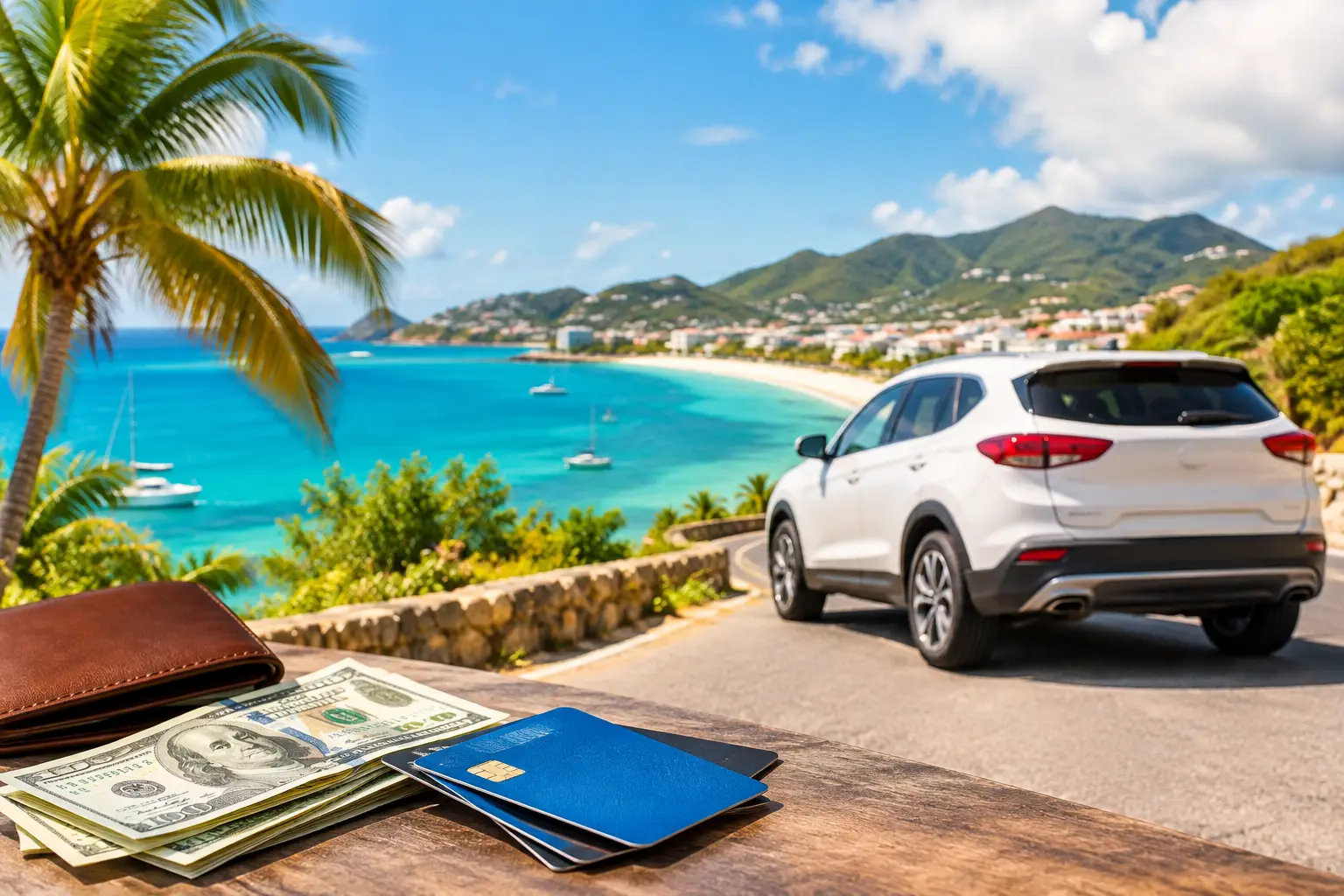
Landing at Princess Juliana International Airport with beach plans, dinner reservations, and a hotel check-in ahead is not the time to discover that your rental car is too small, your insurance is unclear, or your pickup details were assumed rather than confirmed. Knowing the best mistakes to avoid with island car rentals can make the difference between a relaxed St. Maarten vacation and a day spent sorting out preventable problems.
A rental car gives you the freedom to move at your own pace, from a morning in Simpson Bay to lunch in Grand Case or an afternoon in Philipsburg. But island driving has its own rhythm: roads can be narrow, parking fills quickly near popular beaches, and the right vehicle for a couple may not work for a family of five with luggage. A little planning goes a long way.
Best Mistakes to Avoid With Island Car Rentals
Booking the lowest price without checking what is included
A low daily rate may look appealing until taxes, required coverage, deposits, additional-driver charges, or airport pickup details are added later. This does not mean the least expensive option is always a bad choice. For travelers who need a small car for short local drives, an economy vehicle can be a practical and comfortable fit.
The mistake is booking based on the headline price alone. Before confirming, review what the rate includes, what is excluded, the deposit or security-hold policy, fuel expectations, and cancellation terms. Transparent pricing lets you budget properly before you arrive, rather than being surprised at the counter.
If a term is unclear, ask. A dependable rental company should be able to explain the charge in plain language and tell you exactly what to bring at pickup.
Choosing a vehicle based only on the number of passengers
Passenger count is only half the equation. Two adults and two children may fit in a compact car, but four suitcases, beach bags, a stroller, and groceries may not. Similarly, a group of six may be more comfortable in a van than trying to squeeze into an SUV for a week.
Think about how you will actually use the car. Couples staying near restaurants and beaches often enjoy the ease of an economy or compact car. Families commonly appreciate a mid-size or full-size vehicle with more room for people and bags. Jeeps and SUVs can be a good match for travelers who want higher seating, extra cargo space, or a more relaxed fit for island exploring.
Assuming every road requires an SUV
You do not need an SUV simply to enjoy St. Maarten and St. Martin. Many visitors comfortably explore the island in compact and mid-size cars. The main roads connect the airport, Simpson Bay, Maho, Philipsburg, Orient Bay, Marigot, and Grand Case, and a smaller car can be easier to park in busy areas.
That said, an SUV or Jeep can be worth considering if you are traveling with several passengers, carrying lots of luggage, or prefer more space and visibility. The best choice depends on your plans, not a one-size-fits-all rule. Reserve the vehicle that makes your vacation easier, not the one that sounds most adventurous.
Good to Know Before You Book
Waiting too long during busy travel periods
St. Maarten is especially popular during holiday weeks, winter travel season, school breaks, and major events. Available vehicles can become limited, particularly larger SUVs, Jeeps, and vans. Waiting until the last minute may leave you choosing from whatever remains instead of the vehicle that suits your party.
Booking early gives you more options and more time to review policies without pressure. It is also useful if you need special arrangements, such as an additional driver or a larger vehicle for a group. Confirm your arrival date and flight timing carefully so the rental company can prepare for your pickup.
Not confirming airport pickup instructions
After a flight, travelers want a simple next step. Do not assume that every airport rental works the same way. Some companies have an airport presence, while others arrange a nearby meeting point, shuttle, or delivery process.
Read the pickup instructions before departure and keep the company’s contact information accessible on your phone. If your flight is delayed, notify the rental provider as soon as possible. Clear communication helps avoid confusion and gives you a much smoother start to your trip.
Skipping the vehicle walk-around
It is tempting to load up and head straight for the beach, but take a few minutes to inspect the vehicle before leaving. Walk around it with the rental representative, note any existing marks, and take timestamped photos or a short video of the exterior and interior. Check the fuel level, tires, lights, and any accessories you may need.
This is not about expecting a problem. It is a simple habit that protects both the traveler and the rental company by making the condition of the vehicle clear from the start. If you notice anything that was not documented, mention it before driving away.
What Travelers Usually Worry About
Misunderstanding insurance and damage responsibility
Rental coverage is one of the most common areas of confusion. Your personal auto policy or credit card may provide some rental coverage, but the details can vary based on the card used, the type of vehicle, the country or territory, and whether you declined certain coverage at the rental counter.
Do not rely on assumptions or a vague memory of card benefits. Contact your insurer or card provider before your trip and ask what is covered, what is excluded, and whether there is a deductible. Then review the rental company’s coverage options and damage policy. Knowing your responsibilities before pickup makes the decision much less stressful.
Forgetting to ask about driving on both sides of the island
St. Maarten and St. Martin share one island, and crossing between the Dutch and French sides is generally part of the fun of exploring. There is no typical border checkpoint for visitors driving between the two sides, but your rental agreement still matters.
Ask whether your rental is authorized for travel throughout the island and whether any specific documents or coverage requirements apply. This is especially helpful for first-time visitors planning day trips to Marigot, Grand Case, Orient Bay, or other French-side destinations. Keep your rental paperwork and driver’s license with you while driving.
Treating parking as an afterthought
Parking is usually manageable, but it can take patience in high-traffic areas. Philipsburg, Simpson Bay, Maho, popular beach lots, and restaurant districts can become busy at peak times. Arriving later in the day may mean walking a little farther, which is often easier than circling repeatedly for a closer space.
Follow posted signs, avoid blocking driveways or narrow roads, and do not leave bags, electronics, or valuables visible inside the car. Even in a relaxed vacation setting, basic vehicle security is always smart. If you are heading to a popular beach or shopping area, build a few extra minutes into your plan.
Local Driving Habits That Make a Difference
Island roads can shift quickly from open coastal views to busy roundabouts, steep stretches, and narrow lanes. Drive patiently, especially after rain, at night, or in unfamiliar areas. Use your navigation app as a guide, but pay attention to signs, road conditions, and local traffic around you.
Traffic can build around key routes during commute times or when cruise visitors are in town. A short distance on the map may take longer than expected, so avoid planning your day too tightly. Leave room for a scenic stop, a slower lunch, or a little extra time getting back to the airport.
Fuel is another small detail worth handling early. Ask what fuel type the vehicle uses and what return level is expected. Filling up near the end of your rental is much easier when you know the policy in advance rather than searching for a station while trying to catch a flight.
What to Ask Before Confirming
Before you reserve, make sure you understand the total estimated cost, deposit requirements, accepted payment methods, included insurance or optional coverage, fuel policy, and airport pickup process. Ask whether additional drivers are permitted and whether you may drive throughout both the Dutch and French sides of the island.
It is also wise to confirm the vehicle category rather than assuming a specific model. Rental fleets are generally booked by category, so focus on the number of seats, luggage capacity, and features that matter most to you. For travelers arriving in St. Maarten, H & L Car Rental can help explain vehicle options and pickup details clearly before you commit.
The best island days are rarely the most tightly scheduled ones. Choose a rental car that fits your group, understand the terms before arrival, and give yourself permission to take the scenic road when the view calls for it.