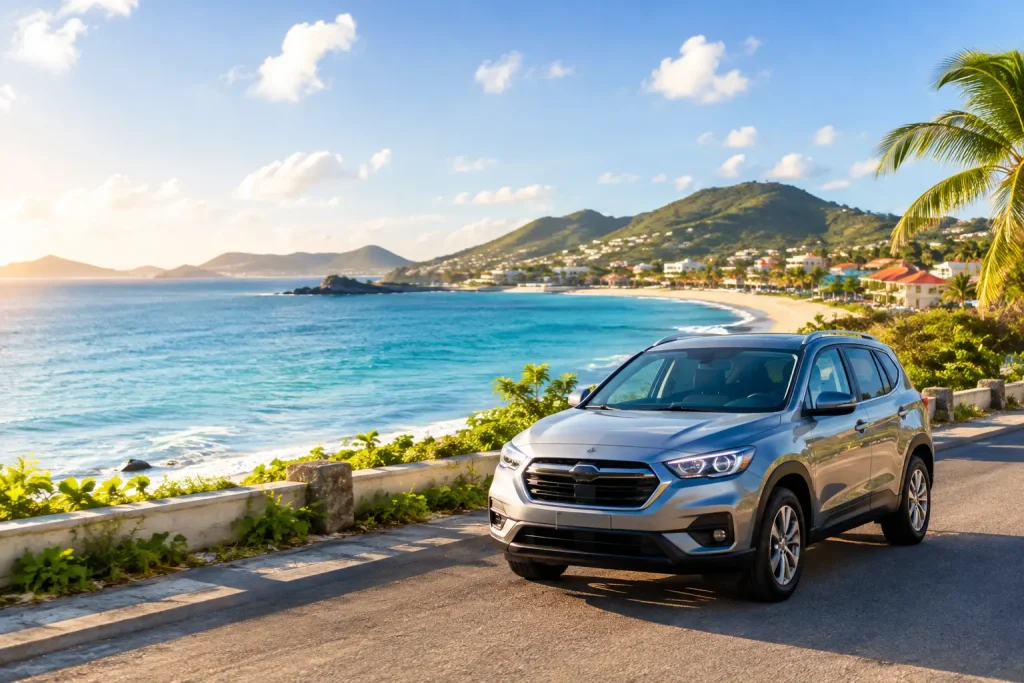
A beach day can turn into a long wait on the roadside if the rental car is not ready for the island. Vehicle reliability is not just a nice extra when you are visiting St. Maarten and St. Martin. It affects how comfortably you get from Princess Juliana International Airport to your hotel, whether you can make dinner reservations on time, and how confidently you can explore beyond the busiest beach areas.
For travelers, a reliable rental car means more than a clean interior and cold air conditioning. It means a vehicle that starts easily, brakes predictably, has tires suited to the road, and has been checked before it is handed over. Here is how to think about reliability before booking and when picking up your car.
Why vehicle reliability matters on an island vacation
St. Maarten is compact, but the roads ask a lot of a vehicle. You may drive through busy Simpson Bay traffic, navigate roundabouts near Philipsburg, climb hills toward viewpoints, or take narrower roads to quieter beaches. Heat, rain, salt air, stop-and-go traffic, and steep sections can expose weaknesses in a poorly maintained car quickly.
A dependable vehicle gives you flexibility. You can leave your hotel when it suits you, carry beach bags without juggling them in a taxi, and change plans when a passing rain shower clears. More importantly, it reduces the chances that a minor mechanical problem takes time away from a trip you have spent months planning.
Reliability also supports safety. Good tires, working lights, responsive steering, properly functioning brakes, and clear visibility matter whether you are driving during a sunny afternoon or returning after dinner. No rental company can promise that an unexpected issue will never happen, but regular inspections and responsive support make a meaningful difference.
What travelers usually worry about
Most visitors are not automotive experts, and they should not need to be. Still, it is reasonable to wonder whether a rental car has been cared for, whether the air conditioning will keep up with the Caribbean heat, and what happens if a warning light appears during the rental.
The best approach is to look for operational clarity rather than vague promises. A professional rental provider should be able to explain its pickup process, vehicle condition expectations, fuel policy, damage procedure, and how customers can get help if a vehicle concern comes up. Honest pricing matters here, too. Surprise fees or unclear coverage can turn an otherwise simple issue into unnecessary stress.
It also helps to separate cosmetic wear from mechanical condition. A small scratch or a little normal interior wear does not automatically mean a vehicle is unreliable. On the other hand, warning lights, visibly worn tires, a weak battery, strange braking behavior, or fluid leaks deserve immediate attention.
Good to know before you book
A rental category tells you about size and space, but it does not tell the whole reliability story. An economy car can be an excellent choice for a couple traveling light, while a larger SUV or van may be better for families, groups, or travelers carrying substantial luggage. Choose the vehicle that fits your needs instead of selecting a bigger option solely because it seems tougher.
Ask practical questions before confirming your reservation. Find out how pickup works after you arrive, whether assistance is available if you have a concern during your rental, and what documentation is required. If you are traveling during a high-demand period, booking early gives you a better chance of getting the car type you actually want rather than choosing from what remains.
Read the rental terms carefully, especially around deposits, fuel, additional drivers, insurance options, and cancellation. Clear terms are a good sign of a company that values straightforward service. They also help you compare rentals fairly, rather than comparing only the headline daily rate.
For airport arrivals, convenience is part of dependability. After a flight, most travelers want a simple handoff, a quick explanation of the car, and clear directions for getting on the road. A smooth pickup will not replace proper maintenance, but it is often evidence of an organized rental operation.
How to check vehicle reliability at pickup
Take a few calm minutes before leaving the pickup area. This is not about searching for problems. It is about becoming familiar with the car and making sure any existing damage is documented correctly.
First, walk around the vehicle with the rental representative. Note visible marks, check that the tires appear properly inflated, and confirm that the headlights and turn signals work. Look at the windshield for cracks that might affect visibility, especially if you expect to drive at night or in rain.
Once inside, adjust your seat and mirrors, then locate the controls for lights, windshield wipers, air conditioning, fuel door, and hazard lights. Start the engine and take a moment to look at the dashboard. If a warning light stays on after startup, ask about it before you leave. Test the air conditioning, because a comfortable cabin is not a small detail in tropical weather.
Before heading into regular traffic, pay attention to the basics. The steering should feel normal, the brakes should respond smoothly, and there should not be unusual noises when you turn or accelerate. If something does not feel right, speak up immediately. It is much easier for the rental team to address a concern before you have unpacked at your hotel or started a full day of plans.
Taking a few timestamped photos or a short video at pickup can also be useful. Capture the exterior, wheels, windshield, fuel level, and interior condition. This is a sensible habit with any rental car and helps keep the return process clear for everyone.
Best car type for dependable island travel
There is no single best vehicle for every St. Maarten itinerary. The right choice depends on how many people are traveling, how much luggage you have, where you plan to stay, and how often you expect to drive.
An economy or compact car is often a practical option for couples and solo visitors. These vehicles are easier to park around popular areas and are well suited to normal island driving. A mid-size or full-size car can provide more room for passengers and luggage without being overly large for town parking.
SUVs are a comfortable choice for families, travelers who appreciate a higher seating position, or visitors planning to cover more of the island. They can be useful for hilly routes and beach gear, though an SUV is not required for most standard roads. A Jeep may appeal to travelers who enjoy open-air island driving, but consider luggage security, weather, and your comfort with wind and road noise before choosing one.
For larger families, wedding groups, or friends traveling together, a van can be the most reliable planning decision of all. Keeping everyone in one vehicle simplifies timing and prevents the inconvenience of coordinating multiple cars. Just keep in mind that larger vehicles need more room for parking and turning in busy areas.
Local driving habits that protect your rental
Reliability is partly about the car and partly about how it is used. Drive at a relaxed pace, particularly when roads are wet. Caribbean rain can arrive suddenly, and oil or sand on the road can reduce traction. Leave extra room around scooters, pedestrians, and vehicles stopping unexpectedly near beach entrances or popular restaurants.
Avoid treating unfamiliar roads like a shortcut contest. Some routes are narrow, steep, or busy with local traffic. If you are heading from the Dutch side to the French side, allow time for traffic and do not plan your day down to the minute. A relaxed schedule lets you drive more carefully and enjoy the scenery along the way.
Parking thoughtfully also helps. Choose legal, well-lit areas when possible, do not leave valuables visible, and make sure the vehicle is fully locked. At the beach, brush excess sand from your feet and gear before getting back in. It is a small courtesy to the vehicle and makes the rest of your trip more comfortable.
What to do if something does not feel right
Do not ignore a new warning light, a tire that looks low, overheating, a burning smell, or a noticeable change in braking or steering. Pull over somewhere safe when you can and contact the rental company using the information provided at pickup. Continuing to drive with a mechanical concern can make a simple issue worse.
Be ready to share your location, the vehicle description, and what you are experiencing. If you are near a recognizable hotel, beach, restaurant, or town, mention it. Clear information helps the support team respond more effectively.
A dependable rental company should treat this as a service matter, not an inconvenience caused by the customer. At H & L Car Rental, the goal is to give arriving travelers a well-prepared vehicle, transparent rental details, and the confidence to enjoy the island on their own schedule.
The best rental car is the one you barely have to think about after pickup. Choose a vehicle that fits your plans, ask clear questions, perform a quick check before you leave, and then let the road lead you to the beaches, viewpoints, and restaurants that make St. Maarten and St. Martin worth exploring.