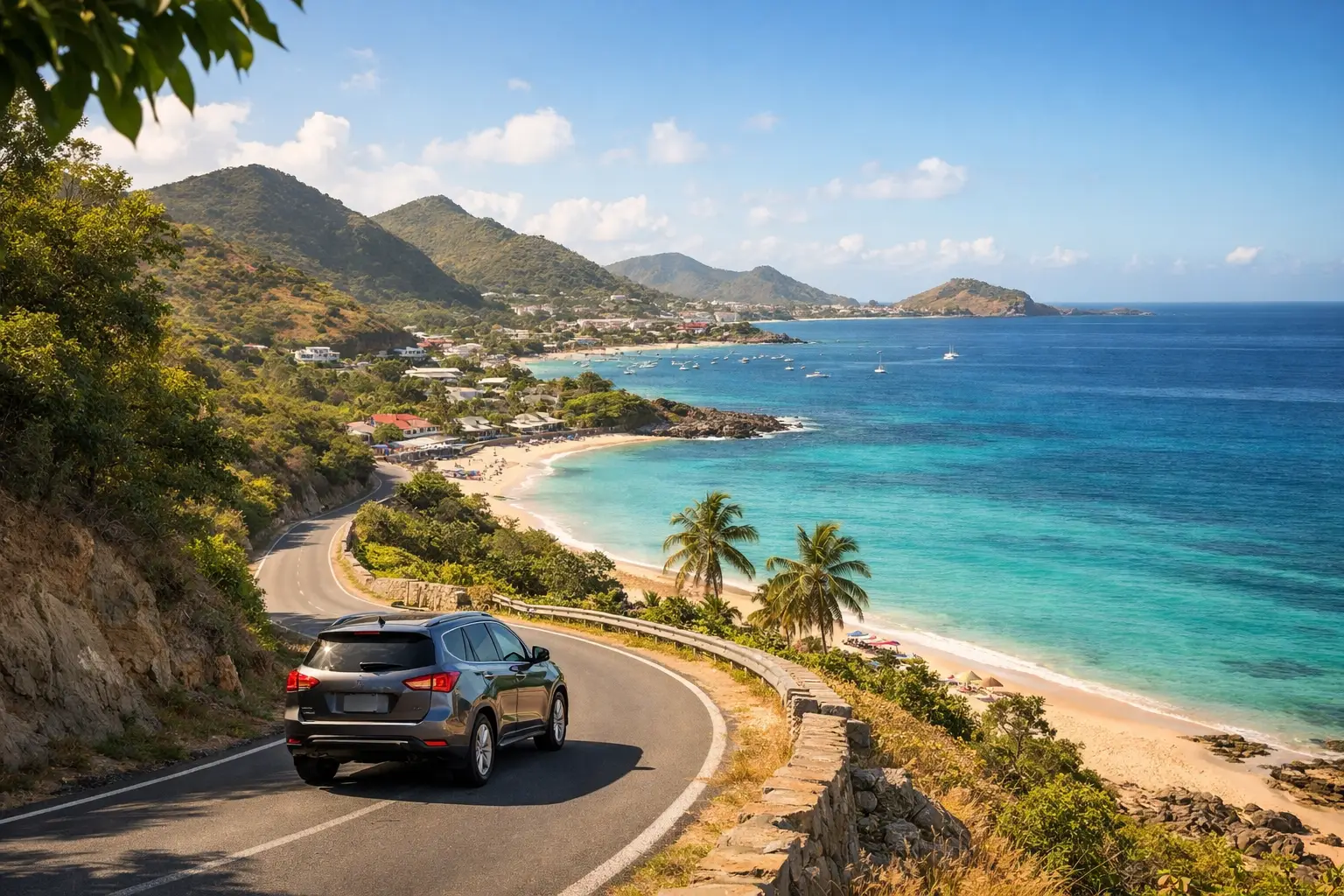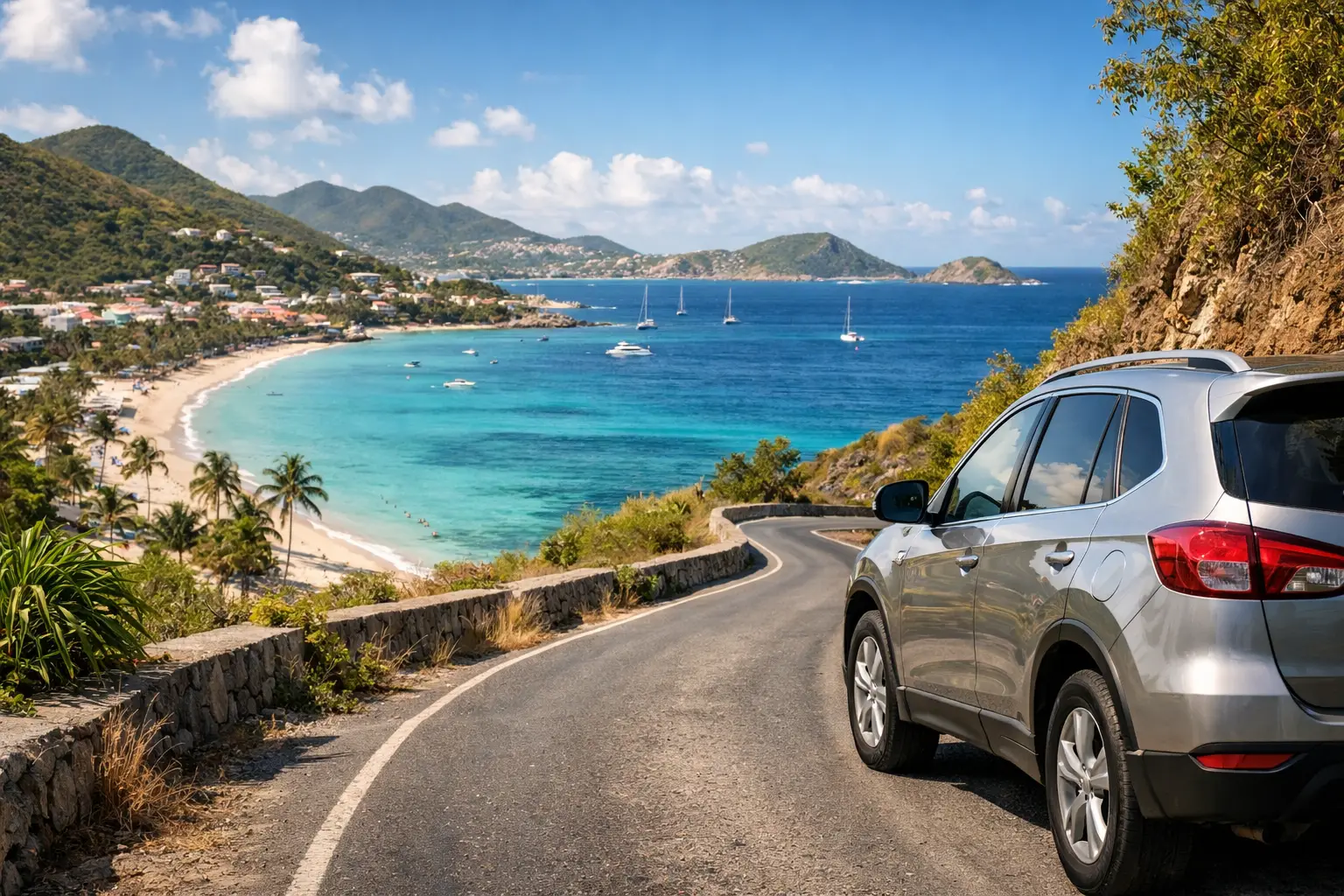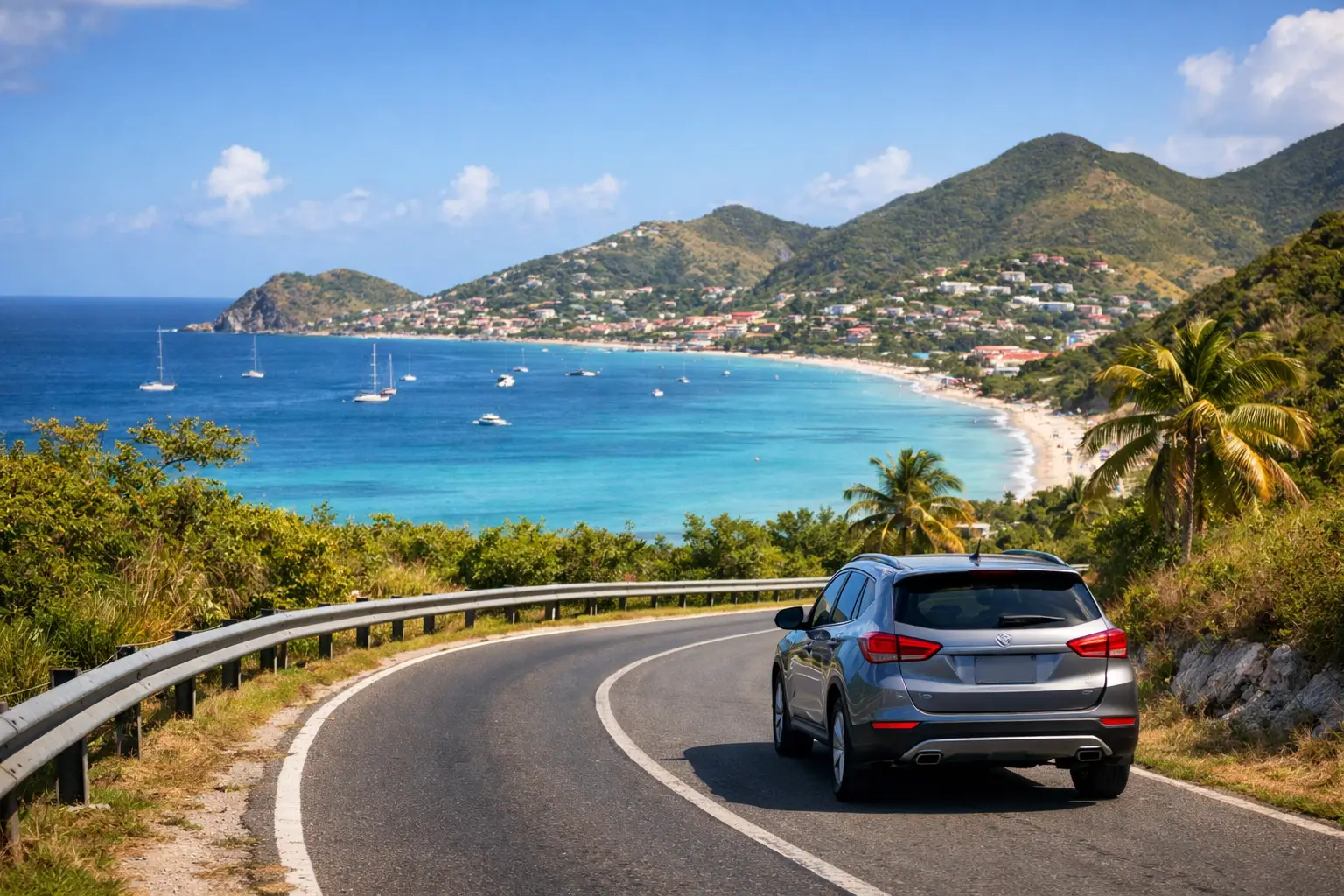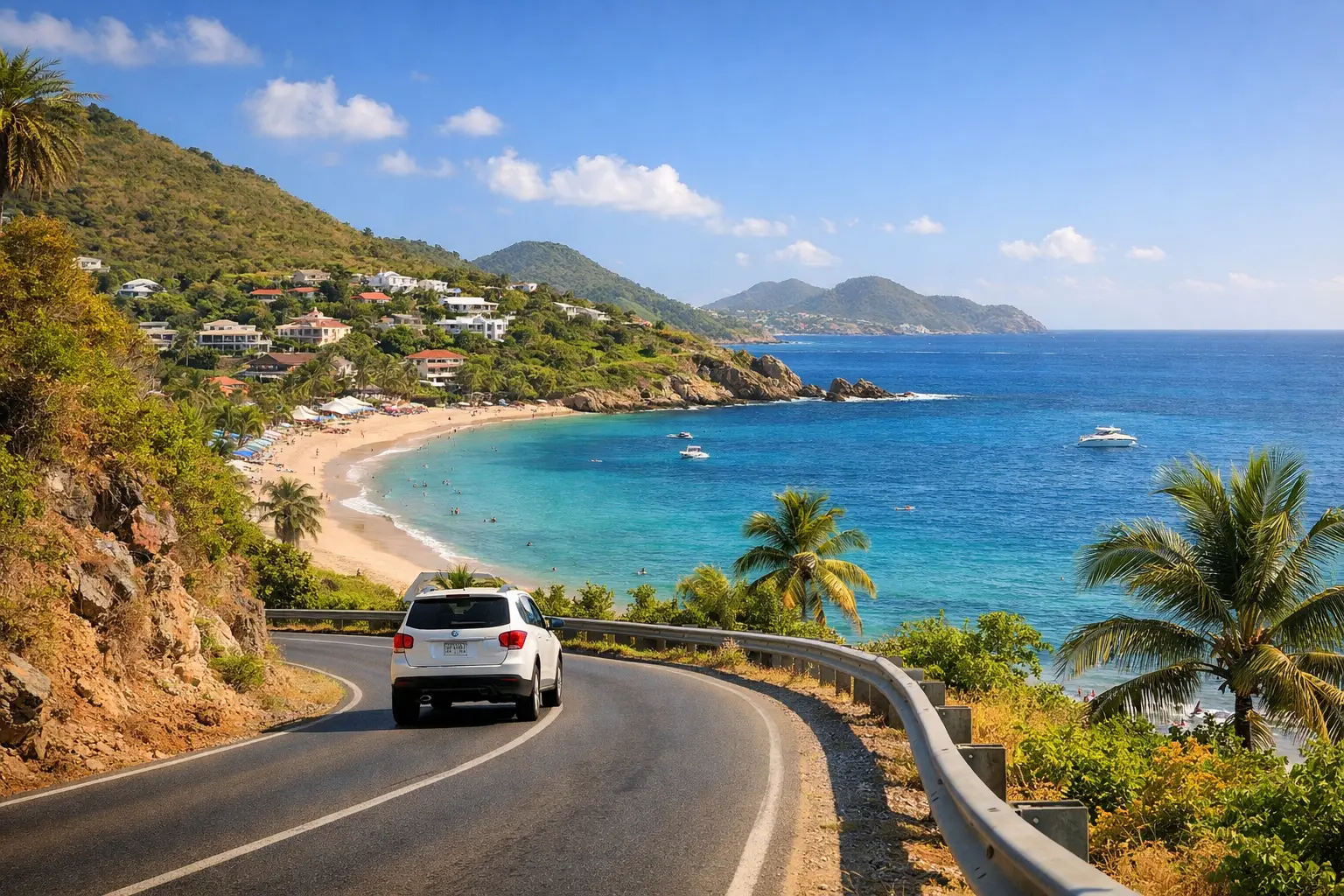
The first surprise for many visitors is that a short distance on the map can take longer than expected. This St Martin road conditions guide is designed to help you plan with confidence, whether you are driving from the airport to your hotel, heading to a quiet beach, or crossing between the Dutch and French sides of the island.
Most main roads are paved and easy to follow, but island driving has its own rhythm. You will find steep hills, tight turns, busy roundabouts, occasional rough patches, and traffic that builds quickly around popular areas. A little preparation goes a long way toward making your rental car feel like freedom rather than another vacation detail to manage.
What St. Martin Roads Are Really Like
The main roads around Simpson Bay, Maho, Cole Bay, Philipsburg, Marigot, and Grand Case are generally suitable for standard rental cars. You do not need an off-road vehicle to enjoy the island. Still, road quality can vary from one neighborhood to the next, especially once you leave the larger commercial areas or take a route into the hills.
Expect narrower lanes on some residential and coastal roads. In a few places, parked cars reduce the space even further. Drive patiently, stay to the right, and be ready to yield when another vehicle is coming through a narrow stretch. Local drivers know the roads well, so it is best not to feel pressured to match someone else's pace.
Hills are part of the experience. Routes toward viewpoints, villas, and beaches such as Friar's Bay, Happy Bay, and some areas above Simpson Bay may include steep grades and sharp curves. Use lower gears when going downhill if your vehicle has them available, and avoid accelerating hard through a blind corner.
Rain Changes Road Conditions Quickly
A sunny morning does not guarantee dry roads all day. Brief tropical showers are common, particularly during wetter months, and a heavy downpour can make roads slick within minutes. Rainwater may pool in low spots, and leaves, sand, or loose gravel can wash onto the pavement near hillsides.
When it rains, slow down before turns and increase the following distance between your car and the vehicle ahead. Avoid driving quickly through standing water because its depth can be difficult to judge. If visibility drops significantly, pull over safely when possible or wait a few minutes for the hardest rain to pass.
After a storm, some secondary roads may have potholes or uneven areas that were not obvious in dry conditions. This is one reason a compact SUV can be a comfortable choice for travelers staying on hillier roads, although it is not a requirement for most visitors.
What travelers usually worry about
Visitors often ask whether the roads are dangerous. For most vacation driving, the answer is no, provided you drive attentively and adjust your expectations. The challenge is less about high-speed driving and more about sharing limited road space, navigating curves, and allowing time for traffic.
The other common concern is night driving. Major routes are manageable after dark, but lighting can be limited on smaller roads and hillside areas. If you are arriving late, confirm your hotel route before leaving the airport, keep your phone charged, and avoid relying on a last-minute turn on an unfamiliar unlit road.
Traffic Hot Spots and Timing
Traffic is usually the biggest factor affecting your day, not road surface. Simpson Bay, Cole Bay, the airport area, and the approaches to Philipsburg can become congested during busier periods. Cruise ship days may also bring heavier traffic into Philipsburg and around popular shopping and beach areas.
Give yourself extra time when traveling between the Dutch side and the French side. The border itself is generally open and uncomplicated, but there is no separate bypass route when traffic slows. A drive that looks short online can take much longer during peak periods, roadwork, rain, or a busy afternoon.
For a more relaxed day, leave for beaches or sightseeing earlier in the morning. Plan lunch close to where you are already exploring instead of crisscrossing the island at midday. Returning to your hotel before the evening rush can make a noticeable difference, particularly if you are staying near Simpson Bay or Cole Bay.
Local tip
Do not build your itinerary around exact minute-by-minute driving times. On an island, a road closure, a passing shower, a delivery truck, or a busy roundabout can change the pace quickly. Choose one area for the morning and another nearby area for the afternoon. You will see more by trying to do slightly less.
Parking at Beaches, Restaurants, and Philipsburg
Parking is usually straightforward at larger supermarkets, many beaches, and resorts, but the most popular places can fill up quickly. In Philipsburg, parking may be limited close to Front Street, especially on cruise ship days. It is often easier to park a little farther away and walk rather than circle repeatedly for a closer spot.
At beaches, look for designated parking areas and avoid blocking driveways, narrow access roads, or other vehicles. Do not leave valuables visible in the car. Put bags, electronics, and shopping out of sight before you park, not after you arrive at a busy location.
Restaurant parking ranges from dedicated lots to roadside spaces. If you have dinner plans in Grand Case, Simpson Bay, or another popular evening area, arrive with a few extra minutes to find a legal spot. A smaller vehicle can be especially convenient if you expect to park in town frequently.
Best Car Type for Island Road Conditions
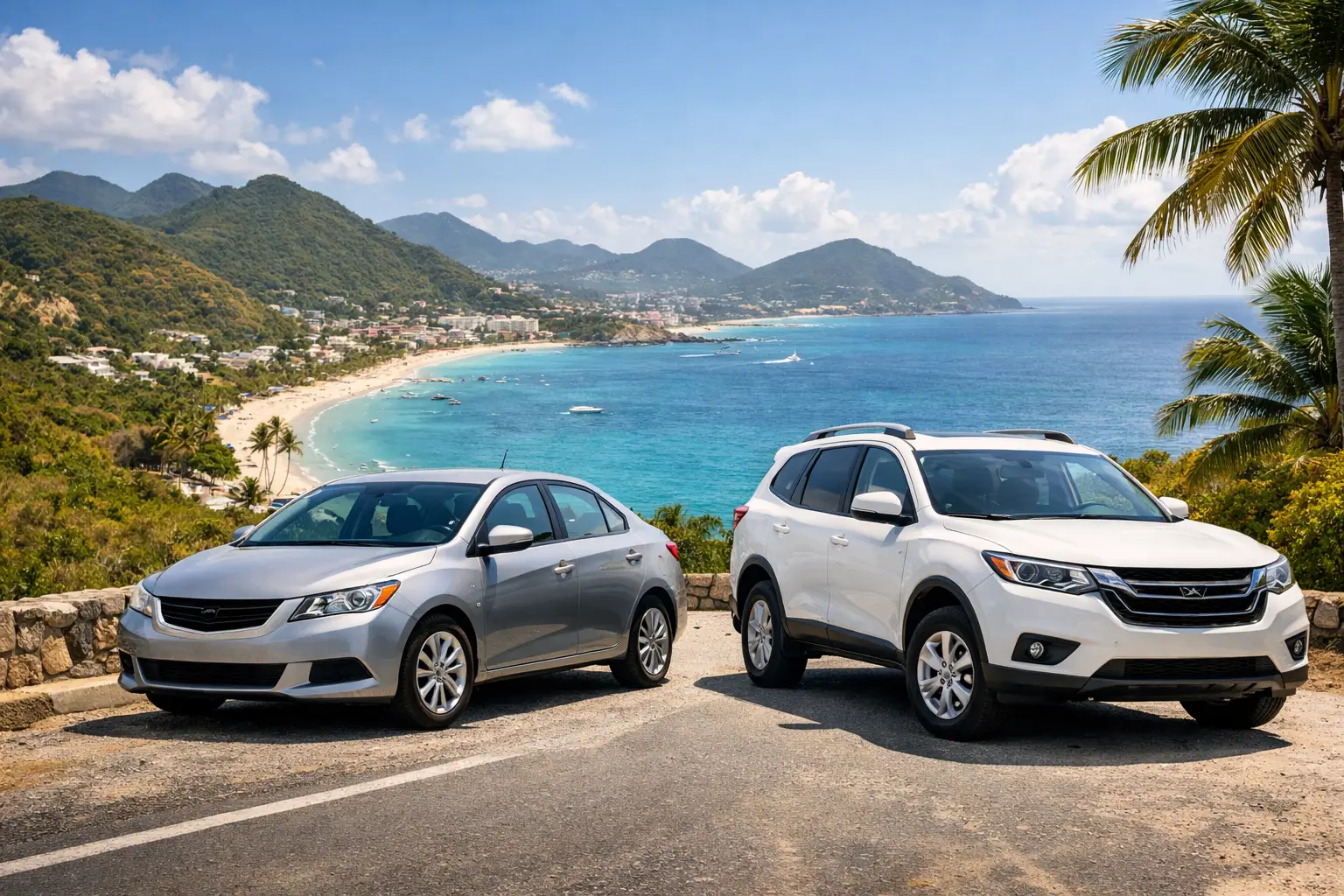
The right rental car depends more on your plans, passenger count, and luggage than on a single “best” vehicle. Couples staying near the beach and focusing on main roads often do well with an economy or compact car. These are easier to park, use less fuel, and handle normal island routes comfortably.
A midsize or full-size car gives families more room for beach bags, groceries, and airport luggage. If you are traveling with several adults, a larger SUV or van can prevent the trip from feeling crowded. Keep in mind that bigger vehicles are less convenient on tight streets and in small parking areas.
An SUV is a good match if your accommodation is up a steep hill, you plan to visit varied parts of the island, or you simply prefer a higher seating position. A Jeep can be enjoyable for open-air island driving, but it is not necessary just because you are visiting St. Martin. For paved-road sightseeing, comfort, luggage space, and reliable air conditioning often matter more than extra ground clearance.
Best for first-time visitors
For many first-time visitors, a compact car or compact SUV offers the most balanced experience. It is manageable on narrow roads, comfortable for airport transfers, and practical for beach-hopping. Choose an automatic if you are not comfortable shifting gears on inclines or in traffic.
Before confirming your rental, think about where you will park at your hotel, how many suitcases you are bringing, and whether you expect to drive after dark. These practical questions are often more useful than choosing a vehicle based on appearance alone.
Good to Know Before You Drive
Traffic drives on the right side of the road. Seat belts should be worn, and every passenger should have a proper seat. Follow posted speed limits, watch for pedestrians near beach areas and town centers, and use extra care around scooters and motorcycles.
Roundabouts are common in busier areas. Slow down as you approach, check traffic already moving through the circle, and use your turn signal when exiting. If you miss your exit, simply continue around rather than making a sudden maneuver.
You can cross freely between the Dutch and French sides in normal circumstances, but driving practices and road character can feel slightly different from one side to the other. Keep your rental agreement and required documents with you, and check ahead if you have questions about where your rental vehicle is permitted to travel.
Fuel stations are easy to find in the main populated areas, but it is wise not to wait until the tank is nearly empty. Fill up before a longer beach day or before returning your vehicle, according to the fuel terms of your rental agreement. Knowing the fuel policy, insurance options, deposit requirements, and after-hours return process before booking helps prevent surprises later.
A Better Way to Plan Your Driving Days
Use your car to create a flexible vacation, not a race around the island. Pair Maho and Simpson Bay on one day. Combine Marigot with Grand Case or nearby French-side beaches on another. Save Philipsburg for a shopping, dining, or waterfront day rather than trying to add it between distant beach stops.
A dependable rental vehicle gives you the freedom to change plans when a beach is crowded, rain moves through, or a restaurant catches your eye. H & L Car Rental can help travelers choose a vehicle that suits their route, group size, and luggage without adding unnecessary complexity.
The island rewards calm, unhurried driving. Leave room in the day for a missed turn, a scenic overlook, or an extra hour at the beach, and the roads become part of the trip rather than time spent getting through it.