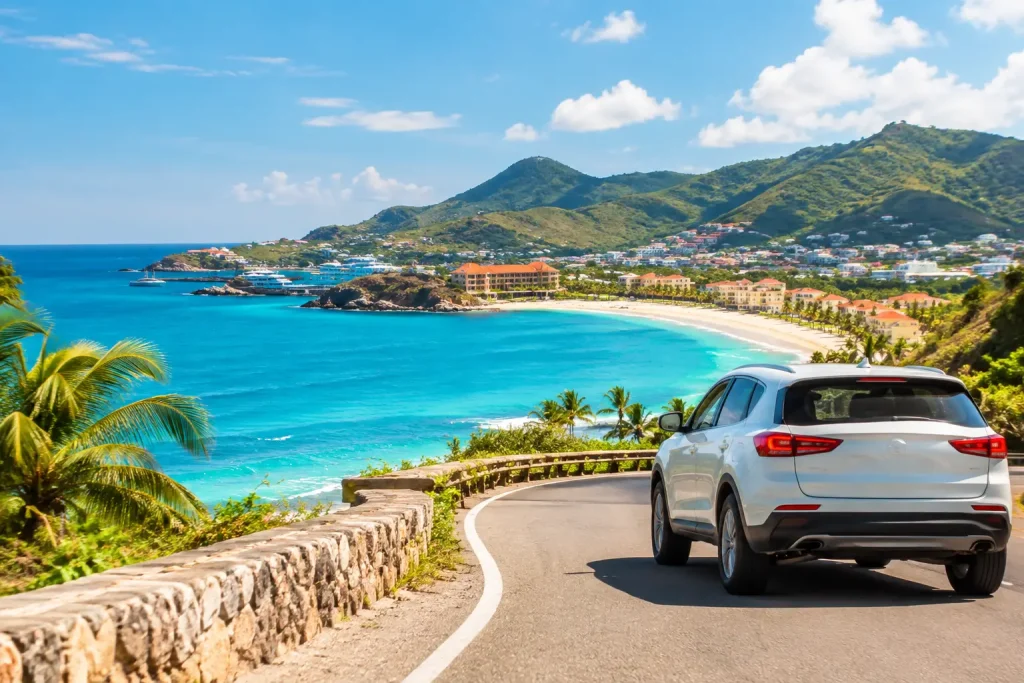
A beach day can start beautifully at 9:00 a.m. and feel very different by noon if you are sitting in traffic near Simpson Bay with a lunch reservation across the island. SXM traffic is not like rush hour in a major U.S. city, but the island's narrow roads, active airport area, bridge openings, and limited alternate routes can make short distances take longer than visitors expect.
The good news is that driving is still one of the easiest ways to enjoy St. Maarten and St. Martin on your own schedule. A little timing, realistic planning, and the right rental vehicle can turn a potentially frustrating drive into a relaxed part of the day.
What Travelers Usually Worry About With SXM Traffic
Most visitors are not concerned about finding their way around. The island is relatively compact, major destinations are well known, and driving is on the right side of the road. What catches people off guard is how quickly traffic can build around a few busy corridors.
The area between Princess Juliana International Airport, Maho, Simpson Bay, Cole Bay, and the Causeway is especially active. Airport arrivals and departures, hotel traffic, restaurant guests, beachgoers, and local commuters all share roads that can be narrow or have limited passing space. A drive that looks short on a map may take much longer during a busy period.
Philipsburg can also slow down when cruise ships are in port, particularly near the waterfront, shopping areas, and public parking. On the French side, roads leading toward Marigot, Grand Case, and Orient Bay may become busier around lunch, late afternoon, and popular weekend beach hours.
This does not mean you need to avoid these places. It simply means your itinerary should leave room for island time. If a reservation, tour, or flight matters, build in extra time rather than relying on the fastest estimate from a map app.
When SXM Traffic Is Usually Heaviest
There is no single traffic pattern every day. Weather, cruise ship schedules, roadwork, school activity, holidays, and events can all affect travel times. Still, a few general patterns help visitors plan better.
Morning traffic often increases as people head to work and school, especially around Simpson Bay, Cole Bay, and routes connecting to Philipsburg. Late afternoon can be the busiest period, when commuters, hotel guests, and visitors returning from beaches are all on the road. If you have flexibility, try to make longer drives earlier in the day or before the dinner rush begins.
Airport-area traffic deserves special attention. Arriving passengers may be eager to leave quickly, while departing travelers are often trying to reach SXM at the same time. Allow more time when driving near the airport around flight periods, and do not schedule a tight restaurant reservation immediately after landing.
Bridge openings can also change the flow of traffic. The Simpson Bay Bridge and Causeway Bridge may open for marine traffic, temporarily holding vehicles on either side. Openings are part of normal island life, not a reason to panic. If you see cars slowing or lining up, remain patient and avoid trying to force your way around the queue. When timing is critical, choose your route with the possibility of a bridge delay in mind.
Best for First-Time Visitors: Plan One Area at a Time
The easiest way to avoid making traffic feel like a vacation problem is to group your activities by area. Rather than driving from Maho to Philipsburg for breakfast, back to Simpson Bay for a beach, and then to Grand Case for lunch, choose a section of the island for each part of the day.
For example, a Simpson Bay and Maho day can include breakfast, beach time, plane watching, and dinner without crossing the island repeatedly. A Philipsburg day can combine shopping, the boardwalk, museums, and nearby beach time. If you are heading to the French side, consider making Marigot, Grand Case, and Orient Bay part of one unhurried outing.
This approach is especially useful for families with young children, travelers with dinner reservations, and guests who only have a few days on the island. You will spend less time watching the clock and more time enjoying the stops you came for.
Leave Earlier for Flights and Fixed Reservations
For airport departures, do not treat the drive as a quick final errand. Pack the vehicle, return any beach gear to your accommodation, and give yourself a comfortable buffer for traffic near SXM. The same applies to ferry connections, spa appointments, excursions, and dinner reservations with a strict seating time.
A good rule is to arrive early enough that an unexpected slowdown feels inconvenient, not stressful. On an island vacation, that margin is worth more than squeezing in one extra stop.
Parking Can Be Part of the Plan
Traffic and parking are closely connected. In popular areas, cars may move slowly because drivers are looking for a place to park, pedestrians are crossing, or delivery vehicles are using limited street space.
In Philipsburg, arrive earlier if you want a more relaxed parking experience, especially on cruise ship days. Park legally, pay attention to marked areas, and avoid blocking driveways, entrances, or narrow lanes. A short walk is often easier than circling busy streets for the closest space.
At popular beaches, parking can fill up by late morning. If having a shaded space near the beach matters to you, go early. Otherwise, consider arriving later in the afternoon, when some daytime visitors are beginning to leave. Never leave valuables visible in your vehicle, even if you are only stepping away briefly.
Restaurants in Simpson Bay and Grand Case can have limited parking during dinner hours. If you are meeting friends or have a reservation, ask the restaurant about nearby parking before you leave. It is a small detail that can prevent a rushed start to an otherwise enjoyable evening.
Local Driving Habits That Help You Blend In
Island driving rewards patience. Keep a safe following distance, expect scooters and pedestrians, and use turn signals even when roads feel informal. Roundabouts are common, so slow down, yield appropriately, and do not rush into them.
Road conditions can change quickly after a heavy shower. Rain may reduce visibility and make roads slippery, while puddles can hide uneven surfaces. Drive more slowly than usual, especially after dark or on unfamiliar roads. Some hillside and coastal routes are scenic but narrow, so a smaller vehicle can feel more comfortable than a large SUV for many travelers.
Also, resist the urge to make sudden stops for photos. Views are everywhere, but pull over only where it is safe and legal. The same goes for navigation: set your route before moving, or ask a passenger to handle directions.
Best Car Type for SXM Roads and Traffic
The best rental car depends on your group, luggage, and plans, not just the idea of driving on an island. Couples and solo travelers often appreciate an economy or compact car because it is easier to park and maneuver through busy areas. A midsize or full-size car offers more comfort for longer drives and more luggage without becoming difficult to handle.
Families may prefer an SUV for passenger room, beach supplies, and higher seating. However, an SUV is not automatically necessary for every St. Maarten vacation. If your plans focus on hotels, restaurants, main beaches, and town visits, a compact or midsize vehicle may be the more convenient choice. Jeeps can be enjoyable for travelers who want an open-air island feel, while vans make sense for groups that would otherwise need multiple cars.
When booking, think about where you will park, how many bags you will have after landing, and whether anyone in your group needs extra space or easy access. At H & L Car Rental, choosing the right category before arrival helps keep airport pickup simple and your first drive less stressful.
Good to Know Before You Drive Between Both Sides
Visitors can generally travel between the Dutch and French sides without a formal border stop, but that does not mean every cross-island drive is fast. Roads near border areas can become congested, and traffic can vary widely based on the time of day.
Carry your rental documents and driver's license as required, follow posted rules, and remember that local road signs and parking practices may differ slightly by area. If you are planning dinner in Grand Case after a day on the Dutch side, leave earlier than your map estimate suggests. A scenic coastal drive is much more pleasant when you are not worried about being late.
A Better Way to Think About Island Time
The most enjoyable St. Maarten driving days have room for a missed turn, a bridge opening, a photo stop, or an extra swim. Start earlier for the places that matter most, keep your day centered around one part of the island, and let the rest unfold at a comfortable pace. That is usually when the road becomes part of the vacation, not something standing in its way.